Comparison

Mimesis vs Expression

Mimesis vs Expression matters because the two terms can appear in the same case while asking different questions. Mimesis asks what art does when it imitates or represents life: copy, reveal, distort, educate, criticize, or transform. Expression asks whether art communicates inner life, discovers feeling, organizes form, or creates a public object for shared response.

Choose Mimesis when its concept page answers the active question more directly. Choose Expression when the case requires the neighboring framework. If both matter, use the topic page to place them in sequence.

Fast answer

Use Mimesis when the case turns on art as representation. Use Expression when the case turns on art as shaped feeling or meaning. The distinction is useful only if it changes how the example is interpreted, not merely which label appears in the paragraph.

Shared ground

Mimesis and Expression share enough territory to be confused. Both can belong in the same essay, but they should not do the same job. A careful reading names the overlap first, then shows which question each term is built to answer.

Do not confuse

Do not treat Mimesis and Expression as interchangeable labels. The common mistake is to notice shared vocabulary and miss the different kind of explanation each concept provides.

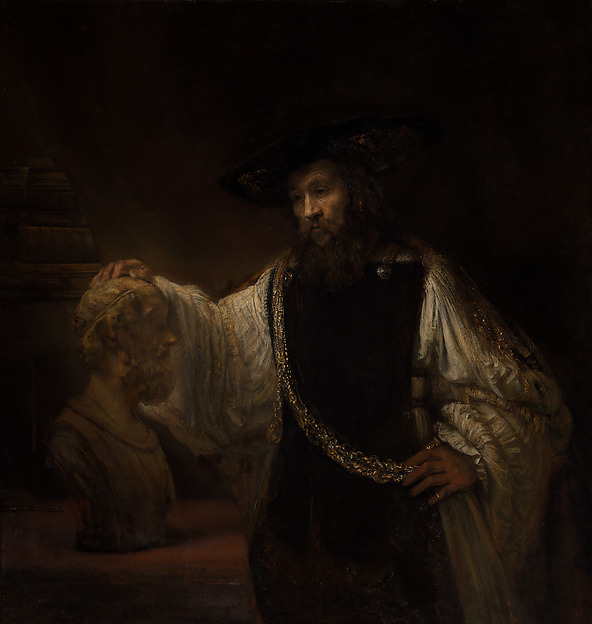
Rembrandt painting Aristotle with a Bust of Homer
Aristotle with a Bust of Homer gives knowledge pages an image of reflection, authority, memory, and judgment.

Read this side when

Mimesis

Mimesis asks what art does when it imitates or represents life: copy, reveal, distort, educate, criticize, or transform.

Read the full concept
Applied ethics still life with a document, laptop, leaf, and clinical instrument
A visual anchor for AI, medical, environmental, data, business, and professional ethics.

Read this side when

Expression

Expression asks whether art communicates inner life, discovers feeling, organizes form, or creates a public object for shared response.

Read the full concept
Diagnostic lens

Choose the question that matches your confusion.

Choose Mimesis when its concept page answers the active question more directly. Choose Expression when the case requires the neighboring framework. If both matter, use the topic page to place them in sequence.

Mimesis

Mimesis asks what art does when it imitates or represents life: copy, reveal, distort, educate, criticize, or transform.

Expression

Expression asks whether art communicates inner life, discovers feeling, organizes form, or creates a public object for shared response.

Fast distinction

QuestionMimesisExpression
Core questionMimesis asks what art does when it imitates or represents life: copy, reveal, distort, educate, criticize, or transform.Expression asks whether art communicates inner life, discovers feeling, organizes form, or creates a public object for shared response.
Best useUse Mimesis when art as representation is the main pressure.Use Expression when art as shaped feeling or meaning is the main pressure.
Common riskMimesis becomes too broad when it absorbs expression, abstraction, fiction, and truth.Expression becomes too thin when it is treated as a synonym rather than a distinct frame.
Example testA tragedy may imitate action not by copying events exactly but by revealing patterns of choice, character, and consequence.A piece of music can express grief without literally describing a grieving person.
Writing moveDefine Mimesis, then name the contrast that keeps it precise.Define Expression, then explain why the contrast matters.

Detailed Reading

Why This Distinction Matters

Mimesis and Expression are easy to confuse because they often appear near the same problems. The difference matters when a reader needs to decide whether two writers are making the same claim, answering different questions, or using shared language for incompatible purposes.

The fast answer gives the quickest separation, but a durable distinction needs more. The reader should ask what each term explains, what it refuses to explain, and what kind of example would make the contrast visible. That is why this page combines a table, examples, and next reads rather than relying on a single definition.

A comparison page is most useful when it changes how the reader reads both sides. If the page only says that two things are different, it remains thin. If it shows how the difference affects interpretation, argument, and further reading, it becomes a working tool.

How To Use The Table

The table should be read row by row, not as a set of isolated facts. Each row asks a specific diagnostic question. If the answer for Mimesis and the answer for Expression differ, that row gives the reader a usable contrast. If the answers overlap, the shared ground matters as much as the difference.

Use the table to build paragraphs. Start with the question in the first column, state the difference, then bring in an example. This method keeps the comparison anchored in a reader problem rather than in abstract labels. It also makes the page useful for essays, teaching notes, and quick revision.

Common Reading Mistake

Do not treat Mimesis and Expression as interchangeable labels. The common mistake is to notice shared vocabulary and miss the different kind of explanation each concept provides. This mistake usually happens when a reader treats surface resemblance as conceptual identity. The correction is to ask what each term is for: which problem it solves, which tradition uses it, and what follows if the term is accepted.

When in doubt, use the reader decision section. Choose Mimesis when its concept page answers the active question more directly. Choose Expression when the case requires the neighboring framework. If both matter, use the topic page to place them in sequence. A good comparison should not force a single path; it should help a reader choose the next page that fits the question they actually have.

How To Write With This Distinction

A useful paragraph begins with the confusion, not with the answer. State why Mimesis and Expression seem close, then explain the row in the table that separates them most clearly. This gives the reader a reason to care about the distinction before the technical vocabulary arrives.

The next move is to use one example as a test case. If the example changes depending on which side is used, the distinction is philosophically active. If the example does not change, the writer should admit the overlap and look for a sharper case.

The strongest conclusion does not merely repeat that the two terms differ. It states what becomes possible after the difference is clear: a better reading of a text, a more precise objection, or a cleaner path into another concept page.

Where The Contrast Can Break Down

Some contrasts become misleading when they are treated as absolute. Philosophical terms often overlap because traditions borrow language, later writers revise earlier debates, and classroom summaries compress long arguments. This page separates the terms for clarity, but it also leaves room for cases where the boundary needs more care.

A reader should be alert to scale. A distinction that works at the level of definition may need adjustment at the level of history, practice, or interpretation. That is why the shared ground section matters: it prevents the comparison from becoming a forced opposition.

When the boundary feels unstable, follow the next reads rather than stopping at the table. Related concept pages can show whether the instability is a problem in the comparison or a real feature of the philosophical tradition.

This is also why comparison pages reward rereading. The first reading gives separation; the second reading shows where the separation needs qualification. A useful distinction is clear enough to guide thought and flexible enough to survive contact with hard examples.

Row-by-Row Notes

Core question

01

For Mimesis, this question points toward: Mimesis asks what art does when it imitates or represents life: copy, reveal, distort, educate, criticize, or transform. For Expression, it points toward: Expression asks whether art communicates inner life, discovers feeling, organizes form, or creates a public object for shared response.

The contrast is useful because it gives the reader a test. If an example fits the first answer but not the second, the distinction is doing real interpretive work. If the example fits both, the reader should return to the shared ground before forcing a difference.

In notes or essays, turn this row into a claim by naming the cost of confusion. Ask what a reader would misunderstand if this question were ignored. The answer often becomes the thesis sentence for a comparison paragraph.

Best use

02

For Mimesis, this question points toward: Use Mimesis when art as representation is the main pressure. For Expression, it points toward: Use Expression when art as shaped feeling or meaning is the main pressure.

The contrast is useful because it gives the reader a test. If an example fits the first answer but not the second, the distinction is doing real interpretive work. If the example fits both, the reader should return to the shared ground before forcing a difference.

In notes or essays, turn this row into a claim by naming the cost of confusion. Ask what a reader would misunderstand if this question were ignored. The answer often becomes the thesis sentence for a comparison paragraph.

Common risk

03

For Mimesis, this question points toward: Mimesis becomes too broad when it absorbs expression, abstraction, fiction, and truth. For Expression, it points toward: Expression becomes too thin when it is treated as a synonym rather than a distinct frame.

The contrast is useful because it gives the reader a test. If an example fits the first answer but not the second, the distinction is doing real interpretive work. If the example fits both, the reader should return to the shared ground before forcing a difference.

In notes or essays, turn this row into a claim by naming the cost of confusion. Ask what a reader would misunderstand if this question were ignored. The answer often becomes the thesis sentence for a comparison paragraph.

Example test

04

For Mimesis, this question points toward: A tragedy may imitate action not by copying events exactly but by revealing patterns of choice, character, and consequence. For Expression, it points toward: A piece of music can express grief without literally describing a grieving person.

The contrast is useful because it gives the reader a test. If an example fits the first answer but not the second, the distinction is doing real interpretive work. If the example fits both, the reader should return to the shared ground before forcing a difference.

In notes or essays, turn this row into a claim by naming the cost of confusion. Ask what a reader would misunderstand if this question were ignored. The answer often becomes the thesis sentence for a comparison paragraph.

Writing move

05

For Mimesis, this question points toward: Define Mimesis, then name the contrast that keeps it precise. For Expression, it points toward: Define Expression, then explain why the contrast matters.

The contrast is useful because it gives the reader a test. If an example fits the first answer but not the second, the distinction is doing real interpretive work. If the example fits both, the reader should return to the shared ground before forcing a difference.

In notes or essays, turn this row into a claim by naming the cost of confusion. Ask what a reader would misunderstand if this question were ignored. The answer often becomes the thesis sentence for a comparison paragraph.

Example Reading Notes

A reader is preparing an essay and both terms seem plausible.

Start by asking whether the thesis needs Mimesis's main pressure or Expression's main pressure. The choice should change the paragraph, not merely the vocabulary.

Use this scene as a miniature case study. First name the problem, then decide which side of the comparison explains more. The aim is not to memorize the example; the aim is to learn what kind of situation makes the distinction visible.

A classroom discussion uses the two terms as if they were the same.

Slow the discussion down by asking what would be lost if the distinction disappeared. If both concepts are needed, put them in sequence instead of blending them.

Use this scene as a miniature case study. First name the problem, then decide which side of the comparison explains more. The aim is not to memorize the example; the aim is to learn what kind of situation makes the distinction visible.

Examples that separate them

A reader is preparing an essay and both terms seem plausible.

Start by asking whether the thesis needs Mimesis's main pressure or Expression's main pressure. The choice should change the paragraph, not merely the vocabulary.

A classroom discussion uses the two terms as if they were the same.

Slow the discussion down by asking what would be lost if the distinction disappeared. If both concepts are needed, put them in sequence instead of blending them.

Diagnostic Questions

Sources behind this comparison

These references come from the concept pages on each side of the comparison. Use them to inspect the background before treating the distinction as settled.