Reading guide

Applied Ethics: Technology, Health, and Environment

A real applied ethics case rarely belongs to one box. A public health rule can depend on data systems. A platform design can create health effects. A food system can join animal ethics, labor, climate, disability, and poverty. A research protocol can produce knowledge while exposing a community to risk. This route is for readers who want the fuller map. It keeps the page moving by asking one question at every step: what kind of responsibility becomes visible when the case moves from individual choice into an institution?

Best for

Readers who want a fuller applied ethics route after the introductory map: technology, health, research, engineering, food, environment, disability, risk, harm, and collective responsibility.

You will leave with

You will be able to read a public case as a layered ethical problem: design choices, bodily vulnerability, institutional trust, ecological burden, uncertainty, voice, and repair.

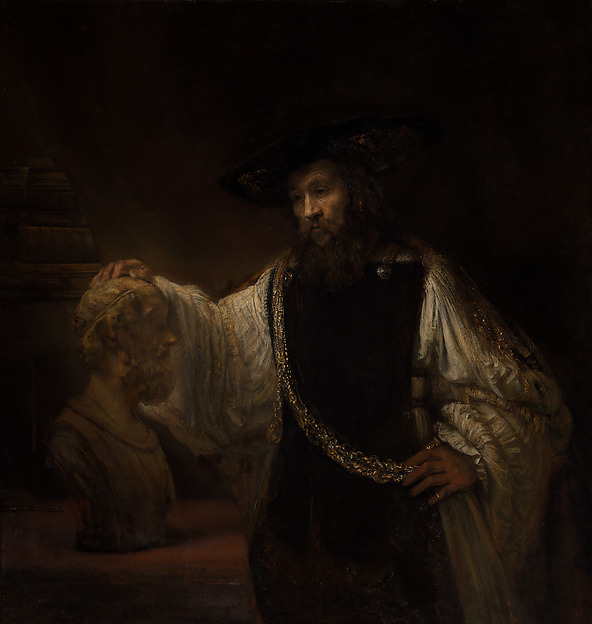
Rembrandt painting Aristotle with a Bust of Homer
Aristotle with a Bust of Homer gives knowledge pages an image of reflection, authority, memory, and judgment.The Metropolitan Museum of Art, Open Access - Public domain
25 minutes

Read risk, harm, public health ethics, and environmental justice to understand how applied ethics handles uncertainty and unequal exposure.

75 minutes

Add research ethics, engineering ethics, platform ethics, and care ethics to see how institutions distribute responsibility.

Half day

Complete the route with food ethics, neuroethics, reproductive ethics, disability ethics, collective responsibility, and epistemic injustice.

Route at a glance

Read the turns, not just the titles.

Topic clusters

Recommended order

  1. Step 1
    01
    Risk

    Start with uncertainty, because many applied ethics decisions must be made before outcomes are known.

    Who may expose whom to danger, and under what justification?

  2. Step 2
    02
    Harm

    Separate possible danger from actual or imposed damage before judging a policy or system.

    What kind of setback is being prevented, permitted, hidden, or repaired?

  3. Step 3
    03
    Public Health Ethics

    Population-level decisions force readers to balance prevention, liberty, trust, evidence, and unequal vulnerability.

    When may collective safety justify limits on individual choice?

  4. Step 4
    04
    Research Ethics

    Research ethics shows how knowledge production can involve consent, risk, exploitation, data use, and social value.

    Who bears the risk of producing knowledge, and who benefits from the result?

  5. Step 5
    05
    Engineering Ethics

    Engineering ethics connects technical expertise to safety, standards, uncertainty, whistleblowing, and public trust.

    What should a technical professional do when the system meets minimum rules but still endangers users?

  6. Step 6
    06
    Platform Ethics

    Platforms govern attention, speech, labor, reputation, and data through rules that often feel invisible to users.

    Is the platform acting as a private service, a market, a media system, or a governing infrastructure?

  7. Step 7
    07
    Care Ethics

    Care ethics keeps dependency, attention, responsiveness, and unpaid labor visible inside institutional cases.

    What moral work is being done by relationship, dependence, and responsiveness?

  8. Step 8
    08
    Disability Ethics

    Disability ethics tests whether a case treats people as problems to fix or environments as systems to redesign.

    Is the barrier located in the body, the built environment, the institution, or public imagination?

  9. Step 9
    09
    Reproductive Ethics

    Reproductive ethics joins bodily authority, family formation, future persons, disability, law, and medical technology.

    How should autonomy, care, future life, social pressure, and state power be balanced?

  10. Step 10
    10
    Neuroethics

    Neuroethics shows how brain science can reshape identity, responsibility, privacy, treatment, and enhancement.

    What changes when a person is interpreted through the brain?

  11. Step 11
    11
    Food Ethics

    Food ethics links everyday consumption to animals, workers, land, health, culture, markets, and climate.

    Which part of the food system is hidden by the language of personal choice?

  12. Step 12
    12
    Environmental Justice

    Environmental justice asks why ecological burdens are distributed unequally and who has voice in the decision.

    Who bears the burden, who receives protection, and who was heard?

  13. Step 13
    13
    Collective Responsibility

    Many harms come from teams, firms, publics, professions, states, and generations rather than one isolated actor.

    What duties follow when no single person controls the whole outcome?

  14. Step 14
    14
    Epistemic Injustice

    Applied ethics must ask whose testimony and categories count when institutions decide what happened.

    Who is heard as a knower, and who is treated as unreliable before they speak?

Route completion

What this guide should make easier.

More guides

Core question

Who may expose whom to danger, and under what justification?

You should be able to

You will be able to read a public case as a layered ethical problem: design choices, bodily vulnerability, institutional trust, ecological burden, uncertainty, voice, and repair.

Next step

Applied Ethics

Do not stop at the last step; use the next page to test whether the route has become usable.

How to use this guide

01

Start with exposure

Risk and harm keep the route honest. Many public arguments move too quickly from fear to policy, or from uncertainty to inaction. A better route separates probability, severity, reversibility, consent, distribution, evidence, and responsibility. That distinction gives readers a way to compare public health, engineering, climate, platform, and research cases without treating all danger as the same danger.

02

Move from consent to institutions

Consent is important, but it is rarely enough by itself. A patient, user, worker, research participant, or resident can agree inside a structure that shapes what they understand and what alternatives they have. Public health ethics, research ethics, engineering ethics, platform ethics, disability ethics, and reproductive ethics all ask whether the institution made meaningful refusal, appeal, access, or repair possible.

03

Keep dependence visible

Care ethics changes the route because many people are not abstract independent choosers when ethical decisions arrive. They are ill, disabled, elderly, poor, pregnant, grieving, working under pressure, caring for others, or dependent on experts. A richer applied ethics page names that dependence without treating it as weakness.

04

Follow the burden

Environmental justice and food ethics make applied ethics material. Moral choices are carried by land, water, labor, animals, heat, pollution, hunger, public health, price, and supply chains. The key reading move is to ask where the burden has been moved: away from the consumer, away from the firm, away from the professional, or away from the public that benefits.

05

End with voice and responsibility

Collective responsibility and epistemic injustice close the route because modern harms are often distributed and misunderstood. The strongest applied ethics pages do not only ask who caused the problem. They ask who could have known, who was not believed, who benefited, who had the power to change the system, and what repair would rebuild trust.

Deeper Reading Notes

How To Work Through This Guide

Use this guide actively. Each concept should prepare a question that the next concept can sharpen. Before opening the first entry, write down what you think the guide is promising. After every two steps, return to that promise and ask whether the route is making the original question clearer or more complicated.

The strongest way to use the guide is to alternate between overview and close reading. Read the concise answer first, then the debate map, then the examples. If a term still feels abstract, pause before moving on and state one ordinary case where the concept would help. That habit keeps the guide from becoming a chain of definitions.

A guide page should also protect the reader from false mastery. It is easy to recognize a term after one page and much harder to use it responsibly. The route notes below explain what each step contributes, what it cannot settle by itself, and what kind of question the reader should carry forward.

What Counts As Understanding

Understanding this guide does not mean memorizing every title. It means being able to explain why the order matters. If one concept can be moved anywhere without changing the route, the reader has probably not yet seen its function. The better test is whether each step answers a previous pressure and creates a new one.

Use the pitfalls as diagnostic tools. A pitfall usually marks a place where readers turn a live problem into a slogan. When that happens, return to examples and comparisons. Examples force the idea to do work; comparisons show which nearby idea it should not replace.

By the end of the guide, the reader should be able to move in both directions: from a concrete example back to a concept, and from a concept forward into a question. That bidirectional movement is what makes a guide richer than an index.

How To Annotate The Route

Treat each step as a small argument rather than as a title. In the margin, write what the step claims, what it assumes, and what example would test it. This keeps the route active. The guide is not asking the reader to agree with every page; it is asking the reader to notice how each page changes the available questions.

A strong annotation also records difficulty. If a concept feels clear too quickly, mark the place where the definition might fail. If a concept feels obscure, mark the example that makes it least obscure. Both marks are useful because they turn confusion into a route for rereading.

After three steps, pause and write a bridge sentence between them. A bridge sentence explains why the next page follows from the previous one. If the bridge sentence is weak, the reader has found a gap worth investigating. If it is strong, the route has begun to become usable knowledge.

How To Turn The Guide Into Work

For essay writing, use the guide as a scaffold. The opening becomes the problem statement, each route step becomes a possible paragraph, and the pitfalls become counterarguments. That structure helps prevent a common beginner problem: listing concepts without showing what dispute or question connects them.

For teaching or discussion, assign the route in pairs. One reader explains the concept, the other explains the question it raises. The group then decides whether the next step answers the question or deepens it. This method keeps the guide conversational without losing rigor.

For independent study, return to the guide after reading the linked pages. The best sign of progress is not speed but compression: the reader should be able to summarize the route more clearly after doing the long work. A good guide makes that compression possible without pretending the topic is simple.

Review Cycle For A Second Reading

A second reading should not repeat the first reading. Begin by hiding the route titles and trying to reconstruct the order from memory. Then reopen the guide and look for the first place where your order differs. That difference is not a mistake to erase; it is evidence about how you currently understand the topic.

Next, choose one route step and read its related concept page more slowly than before. Look for the definition, one example, one misconception, and one source. Bring those four pieces back to the guide and ask whether the step now feels more necessary. If it does, the route is gaining depth. If it does not, the step may need a comparison page before it becomes clear.

Finally, write a short map of the guide in your own language. The map should include the opening problem, the turning point in the route, the hardest distinction, and the best next read. This exercise turns the guide from a reading list into a durable structure for memory and later research.

Depth Checkpoints

The first checkpoint is explanation. Can the reader explain each step without copying the page title? If not, return to the concise answer and examples. The second checkpoint is distinction. Can the reader separate this concept from a nearby one? If not, open a comparison page or use the related concepts on the entry page.

The third checkpoint is transfer. Can the reader apply the idea to a fresh example that does not appear on the page? Transfer is where philosophical understanding becomes visible. A reader who can only repeat the provided example has started well, but the idea is not yet flexible.

The fourth checkpoint is criticism. Can the reader say where the concept may fail, be misused, or require another concept? This is not a demand for skepticism for its own sake. It is a way of keeping the guide honest, because philosophy advances by testing the limits of its own vocabulary.

Final Synthesis

The final synthesis should be short but demanding. State the guide's central problem, then name the concept that changed the route most. After that, name one distinction that must not be blurred and one question that remains open. This form gives the reader a compact record of progress without pretending the subject is finished.

A useful synthesis also separates confidence from uncertainty. The reader may now know what a term means while still being unsure how far it applies. That is not failure. It is often the point at which philosophy becomes serious, because the reader can now name the difficulty instead of merely feeling lost.

Return to the guide whenever a linked concept page starts to feel detached. The route is the frame that keeps individual entries connected. With that frame in place, the guide can support a first reading, a review session, a writing plan, or a more advanced research path.

For a final check, choose one concept that seemed secondary and explain why the guide still needs it. If the answer is weak, reread the route notes around it. If the answer is strong, the guide has become a usable structure rather than a list of attractive links.
Step-by-Step Notes

Risk

01

Risk appears at step 1 because it sets up a specific task in the route: Start with uncertainty, because many applied ethics decisions must be made before outcomes are known. Risk asks how people and institutions should judge uncertain harms, distribute exposure, communicate uncertainty, and decide who may impose danger on whom.

The question to keep beside this step is: Who may expose whom to danger, and under what justification? Do not answer it too quickly. First ask what kind of evidence, example, or contrast would make a responsible answer possible. Then use the concept page to test that answer against definitions, misconceptions, and related concepts.

Before moving on, state what this step has changed. It may have introduced a distinction, corrected a false assumption, or made a familiar word harder to use casually. That small summary gives the next step something to build on.

Then ask what would make this step incomplete. Some steps need historical context, some need an example, and some need an opposing view. Naming the missing piece helps the reader decide whether to continue forward or pause for a related page.

The step is ready to carry forward when the reader can connect it to both the previous idea and the next question. That connection is the difference between reading a page and using a page.

Harm

02

Harm appears at step 2 because it sets up a specific task in the route: Separate possible danger from actual or imposed damage before judging a policy or system. Harm asks what counts as being wronged or damaged, who may impose costs on others, and when prevention, repair, compensation, or restriction is justified.

The question to keep beside this step is: What kind of setback is being prevented, permitted, hidden, or repaired? Do not answer it too quickly. First ask what kind of evidence, example, or contrast would make a responsible answer possible. Then use the concept page to test that answer against definitions, misconceptions, and related concepts.

Before moving on, state what this step has changed. It may have introduced a distinction, corrected a false assumption, or made a familiar word harder to use casually. That small summary gives the next step something to build on.

Then ask what would make this step incomplete. Some steps need historical context, some need an example, and some need an opposing view. Naming the missing piece helps the reader decide whether to continue forward or pause for a related page.

The step is ready to carry forward when the reader can connect it to both the previous idea and the next question. That connection is the difference between reading a page and using a page.

Public Health Ethics

03

Public Health Ethics appears at step 3 because it sets up a specific task in the route: Population-level decisions force readers to balance prevention, liberty, trust, evidence, and unequal vulnerability. Public health ethics asks how far communities and governments may go to protect population health, especially when safety, liberty, trust, justice, evidence, and unequal vulnerability conflict.

The question to keep beside this step is: When may collective safety justify limits on individual choice? Do not answer it too quickly. First ask what kind of evidence, example, or contrast would make a responsible answer possible. Then use the concept page to test that answer against definitions, misconceptions, and related concepts.

Before moving on, state what this step has changed. It may have introduced a distinction, corrected a false assumption, or made a familiar word harder to use casually. That small summary gives the next step something to build on.

Then ask what would make this step incomplete. Some steps need historical context, some need an example, and some need an opposing view. Naming the missing piece helps the reader decide whether to continue forward or pause for a related page.

The step is ready to carry forward when the reader can connect it to both the previous idea and the next question. That connection is the difference between reading a page and using a page.

Research Ethics

04

Research Ethics appears at step 4 because it sets up a specific task in the route: Research ethics shows how knowledge production can involve consent, risk, exploitation, data use, and social value. Research ethics asks how studies should be designed and governed so that the pursuit of knowledge does not exploit people, hide risks, distort evidence, or damage communities.

The question to keep beside this step is: Who bears the risk of producing knowledge, and who benefits from the result? Do not answer it too quickly. First ask what kind of evidence, example, or contrast would make a responsible answer possible. Then use the concept page to test that answer against definitions, misconceptions, and related concepts.

Before moving on, state what this step has changed. It may have introduced a distinction, corrected a false assumption, or made a familiar word harder to use casually. That small summary gives the next step something to build on.

Then ask what would make this step incomplete. Some steps need historical context, some need an example, and some need an opposing view. Naming the missing piece helps the reader decide whether to continue forward or pause for a related page.

The step is ready to carry forward when the reader can connect it to both the previous idea and the next question. That connection is the difference between reading a page and using a page.

Engineering Ethics

05

Engineering Ethics appears at step 5 because it sets up a specific task in the route: Engineering ethics connects technical expertise to safety, standards, uncertainty, whistleblowing, and public trust. Engineering ethics asks how technical expertise should serve safety, honesty, sustainability, public welfare, and responsible judgment when design choices can affect many people.

The question to keep beside this step is: What should a technical professional do when the system meets minimum rules but still endangers users? Do not answer it too quickly. First ask what kind of evidence, example, or contrast would make a responsible answer possible. Then use the concept page to test that answer against definitions, misconceptions, and related concepts.

Before moving on, state what this step has changed. It may have introduced a distinction, corrected a false assumption, or made a familiar word harder to use casually. That small summary gives the next step something to build on.

Then ask what would make this step incomplete. Some steps need historical context, some need an example, and some need an opposing view. Naming the missing piece helps the reader decide whether to continue forward or pause for a related page.

The step is ready to carry forward when the reader can connect it to both the previous idea and the next question. That connection is the difference between reading a page and using a page.

Platform Ethics

06

Platform Ethics appears at step 6 because it sets up a specific task in the route: Platforms govern attention, speech, labor, reputation, and data through rules that often feel invisible to users. Platform ethics asks how platforms should govern power over visibility, data, rules, recommendation, moderation, addiction, labor, and public discourse.

The question to keep beside this step is: Is the platform acting as a private service, a market, a media system, or a governing infrastructure? Do not answer it too quickly. First ask what kind of evidence, example, or contrast would make a responsible answer possible. Then use the concept page to test that answer against definitions, misconceptions, and related concepts.

Before moving on, state what this step has changed. It may have introduced a distinction, corrected a false assumption, or made a familiar word harder to use casually. That small summary gives the next step something to build on.

Then ask what would make this step incomplete. Some steps need historical context, some need an example, and some need an opposing view. Naming the missing piece helps the reader decide whether to continue forward or pause for a related page.

The step is ready to carry forward when the reader can connect it to both the previous idea and the next question. That connection is the difference between reading a page and using a page.

Care Ethics

07

Care Ethics appears at step 7 because it sets up a specific task in the route: Care ethics keeps dependency, attention, responsiveness, and unpaid labor visible inside institutional cases. Care ethics asks what people owe one another when lives are interdependent, vulnerable, and sustained by relationships of attention, trust, responsibility, and practical support.

The question to keep beside this step is: What moral work is being done by relationship, dependence, and responsiveness? Do not answer it too quickly. First ask what kind of evidence, example, or contrast would make a responsible answer possible. Then use the concept page to test that answer against definitions, misconceptions, and related concepts.

Before moving on, state what this step has changed. It may have introduced a distinction, corrected a false assumption, or made a familiar word harder to use casually. That small summary gives the next step something to build on.

Then ask what would make this step incomplete. Some steps need historical context, some need an example, and some need an opposing view. Naming the missing piece helps the reader decide whether to continue forward or pause for a related page.

The step is ready to carry forward when the reader can connect it to both the previous idea and the next question. That connection is the difference between reading a page and using a page.

Disability Ethics

08

Disability Ethics appears at step 8 because it sets up a specific task in the route: Disability ethics tests whether a case treats people as problems to fix or environments as systems to redesign. Disability ethics asks how societies should understand disability without reducing disabled people to defects, burdens, inspiration, or medical problems.

The question to keep beside this step is: Is the barrier located in the body, the built environment, the institution, or public imagination? Do not answer it too quickly. First ask what kind of evidence, example, or contrast would make a responsible answer possible. Then use the concept page to test that answer against definitions, misconceptions, and related concepts.

Before moving on, state what this step has changed. It may have introduced a distinction, corrected a false assumption, or made a familiar word harder to use casually. That small summary gives the next step something to build on.

Then ask what would make this step incomplete. Some steps need historical context, some need an example, and some need an opposing view. Naming the missing piece helps the reader decide whether to continue forward or pause for a related page.

The step is ready to carry forward when the reader can connect it to both the previous idea and the next question. That connection is the difference between reading a page and using a page.

Reproductive Ethics

09

Reproductive Ethics appears at step 9 because it sets up a specific task in the route: Reproductive ethics joins bodily authority, family formation, future persons, disability, law, and medical technology. Reproductive ethics asks how decisions about creating, carrying, avoiding, selecting, or supporting human life should respect autonomy, embodiment, care, equality, disability, family, and social power.

The question to keep beside this step is: How should autonomy, care, future life, social pressure, and state power be balanced? Do not answer it too quickly. First ask what kind of evidence, example, or contrast would make a responsible answer possible. Then use the concept page to test that answer against definitions, misconceptions, and related concepts.

Before moving on, state what this step has changed. It may have introduced a distinction, corrected a false assumption, or made a familiar word harder to use casually. That small summary gives the next step something to build on.

Then ask what would make this step incomplete. Some steps need historical context, some need an example, and some need an opposing view. Naming the missing piece helps the reader decide whether to continue forward or pause for a related page.

The step is ready to carry forward when the reader can connect it to both the previous idea and the next question. That connection is the difference between reading a page and using a page.

Neuroethics

10

Neuroethics appears at step 10 because it sets up a specific task in the route: Neuroethics shows how brain science can reshape identity, responsibility, privacy, treatment, and enhancement. Neuroethics asks how brain science and neurotechnology should be used when they affect responsibility, identity, privacy, treatment, enhancement, disability, and personhood.

The question to keep beside this step is: What changes when a person is interpreted through the brain? Do not answer it too quickly. First ask what kind of evidence, example, or contrast would make a responsible answer possible. Then use the concept page to test that answer against definitions, misconceptions, and related concepts.

Before moving on, state what this step has changed. It may have introduced a distinction, corrected a false assumption, or made a familiar word harder to use casually. That small summary gives the next step something to build on.

Then ask what would make this step incomplete. Some steps need historical context, some need an example, and some need an opposing view. Naming the missing piece helps the reader decide whether to continue forward or pause for a related page.

The step is ready to carry forward when the reader can connect it to both the previous idea and the next question. That connection is the difference between reading a page and using a page.

Food Ethics

11

Food Ethics appears at step 11 because it sets up a specific task in the route: Food ethics links everyday consumption to animals, workers, land, health, culture, markets, and climate. Food ethics asks what people, companies, governments, and communities owe one another when food choices affect bodies, animals, workers, land, climate, culture, and access to nourishment.

The question to keep beside this step is: Which part of the food system is hidden by the language of personal choice? Do not answer it too quickly. First ask what kind of evidence, example, or contrast would make a responsible answer possible. Then use the concept page to test that answer against definitions, misconceptions, and related concepts.

Before moving on, state what this step has changed. It may have introduced a distinction, corrected a false assumption, or made a familiar word harder to use casually. That small summary gives the next step something to build on.

Then ask what would make this step incomplete. Some steps need historical context, some need an example, and some need an opposing view. Naming the missing piece helps the reader decide whether to continue forward or pause for a related page.

The step is ready to carry forward when the reader can connect it to both the previous idea and the next question. That connection is the difference between reading a page and using a page.

Environmental Justice

12

Environmental Justice appears at step 12 because it sets up a specific task in the route: Environmental justice asks why ecological burdens are distributed unequally and who has voice in the decision. Environmental justice asks who bears environmental harm, who receives protection, who has voice in decisions, and how race, class, colonial history, disability, and place shape ecological risk.

The question to keep beside this step is: Who bears the burden, who receives protection, and who was heard? Do not answer it too quickly. First ask what kind of evidence, example, or contrast would make a responsible answer possible. Then use the concept page to test that answer against definitions, misconceptions, and related concepts.

Before moving on, state what this step has changed. It may have introduced a distinction, corrected a false assumption, or made a familiar word harder to use casually. That small summary gives the next step something to build on.

Then ask what would make this step incomplete. Some steps need historical context, some need an example, and some need an opposing view. Naming the missing piece helps the reader decide whether to continue forward or pause for a related page.

The step is ready to carry forward when the reader can connect it to both the previous idea and the next question. That connection is the difference between reading a page and using a page.

Collective Responsibility

13

Collective Responsibility appears at step 13 because it sets up a specific task in the route: Many harms come from teams, firms, publics, professions, states, and generations rather than one isolated actor. Collective responsibility asks how responsibility should be assigned when many people contribute to a decision, system, benefit, harm, or failure together.

The question to keep beside this step is: What duties follow when no single person controls the whole outcome? Do not answer it too quickly. First ask what kind of evidence, example, or contrast would make a responsible answer possible. Then use the concept page to test that answer against definitions, misconceptions, and related concepts.

Before moving on, state what this step has changed. It may have introduced a distinction, corrected a false assumption, or made a familiar word harder to use casually. That small summary gives the next step something to build on.

Then ask what would make this step incomplete. Some steps need historical context, some need an example, and some need an opposing view. Naming the missing piece helps the reader decide whether to continue forward or pause for a related page.

The step is ready to carry forward when the reader can connect it to both the previous idea and the next question. That connection is the difference between reading a page and using a page.

Epistemic Injustice

14

Epistemic Injustice appears at step 14 because it sets up a specific task in the route: Applied ethics must ask whose testimony and categories count when institutions decide what happened. Epistemic injustice asks how people can be harmed not only by what is done to them, but by not being believed, understood, heard, or included in shared knowledge.

The question to keep beside this step is: Who is heard as a knower, and who is treated as unreliable before they speak? Do not answer it too quickly. First ask what kind of evidence, example, or contrast would make a responsible answer possible. Then use the concept page to test that answer against definitions, misconceptions, and related concepts.

Before moving on, state what this step has changed. It may have introduced a distinction, corrected a false assumption, or made a familiar word harder to use casually. That small summary gives the next step something to build on.

Then ask what would make this step incomplete. Some steps need historical context, some need an example, and some need an opposing view. Naming the missing piece helps the reader decide whether to continue forward or pause for a related page.

The step is ready to carry forward when the reader can connect it to both the previous idea and the next question. That connection is the difference between reading a page and using a page.

Practice Prompts