Topic route

World Philosophy

This cluster prevents the encyclopedia from treating non-Western traditions as side notes or public philosophy as a separate vocabulary. It keeps comparative reading visible by linking concepts from Chinese, Indian, Buddhist, Islamic, political, and applied traditions through questions about reality, action, liberation, knowledge, moral formation, public power, and real-world responsibility.

Concepts
44
Guides
10
Comparisons
15
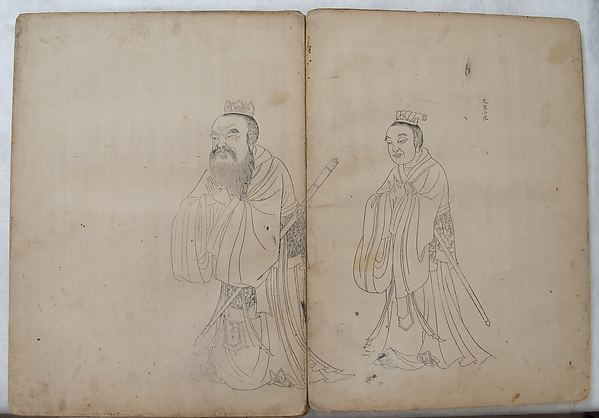
Chinese illustrated scenes from Life of Confucius
Life of Confucius anchors Chinese philosophy in teaching, ritual, political order, and cultivated conduct.

Cluster summary

What this topic helps you understand.

Start a guide

Core problem

A route across Chinese, Indian, Buddhist, Islamic, political, applied, and global philosophical traditions.

Start with

Best comparison

Atman vs Anatta

Use a contrast when the topic starts to feel like a list of related but interchangeable terms.

The reader problem

Readers often meet world philosophy as a list of traditions. This topic instead groups concepts by the questions they help answer.

The learning path

Move among Dao, Ren, Li, Wuwei, Karma, Dependent Origination, Chan, Buddha-nature, Tawhid, Kalam, Wujud, Falsafa, Occasionalism, Justice, Public Reason, the Common Good, AI Ethics, Bioethics, Public Health Ethics, Environmental Justice, Climate Justice, Care Ethics, Media Ethics, Journalism Ethics, Legal Ethics, Migration Ethics, Housing Ethics, Energy Ethics, Epistemic Injustice, Collective Responsibility, and Privacy to see how reality, action, liberation, knowledge, public power, and real-world responsibility vary across traditions and institutions. Then branch into the deeper Chinese Philosophy, Chinese Buddhism, Indian and Buddhist Philosophy, Islamic Philosophy, Political Philosophy, and Applied Ethics clusters.

Why this cluster matters

A global map of philosophy should make room for concepts that do not fit neatly into inherited Western categories, especially when translation changes what can be seen.

African and decolonial expansion

World philosophy now has a deeper African, Indigenous, and decolonial route so the page can lead readers into personhood, relation, oral knowledge, coloniality, liberation, standpoint, and justice after political violence.

Questions this topic answers

A good first pass

Do not try to read everything at once.

Start with a few concrete entries, test one hard distinction, and then use the guide to decide what deserves slower reading. That order keeps a large subject from turning into a wall of links.

How The Ideas Fit Together

How To Begin

Begin World Philosophy with one question you can actually carry: How do different traditions frame moral formation and liberation? That question gives the route pressure. Without it, the subject can look like a shelf of important words with no order.

A good first pass uses three moves. Read one broad concept for orientation, open one comparison to catch a likely confusion, then return to the topic and choose a guide. That rhythm keeps the subject readable because every next page has a job.

Do not worry about finishing the whole route in one sitting. A large subject becomes useful when a later concept changes how an earlier one sounds. Mark that change. It is often where the real philosophical work begins.

One simple note-taking habit helps: after each page, write down the sentence you would now revise. Maybe a definition needs a qualification, maybe an example no longer fits, or maybe a contrast has become more important than the original term. Those revisions show the subject becoming live rather than merely longer.

If the route feels too abstract, choose one ordinary scene and carry it through the whole topic. Ask how each concept would describe that same scene differently. A subject becomes easier to remember when its terms compete over a shared example instead of floating as separate definitions, and the shared example gives later rereading a concrete anchor for notes, discussion, and essay planning.

The Main Tensions

The central tension is the gap between a quick answer and a careful use. Each concept can be summarized, but summary alone does not show when the idea matters. The deeper work is to ask what changes when the concept is applied to an example, a text, a moral choice, or a historical debate.

The comparisons are stress tests, not decorative side paths. Atman vs Anatta, Moksha vs Nirvana, Dao vs Wuwei, Falsafa vs Kalam, Essence vs Existence, Chan vs Pure Land, Liberty vs Equality, Privacy vs Surveillance, Climate Justice vs Environmental Ethics, Environmental Justice vs Climate Justice, Risk vs Harm, Journalism Ethics vs Media Ethics, Housing Ethics vs Environmental Justice, Ubuntu vs Individualism, and Decolonial Thought vs Postcolonial Reason show where readers are likely to blur nearby ideas and where a more precise vocabulary changes the interpretation.

The guides give the subject sequence. Philosophy Beginner Concepts, Indian and Buddhist Philosophy Core Concepts, Islamic Philosophy Core Concepts, Chinese Philosophy Core Concepts, Chinese Buddhism and the Three Teachings, Political Philosophy Core Concepts, Applied Ethics for Real-World Problems, Applied Ethics: Technology, Health, and Environment, Applied Ethics: Public Life and Professional Power, and African, Decolonial, and Indigenous Philosophy help a reader decide what must come first, what can wait, and which distinction should be tested before moving on.

How This Helps Research

A research-minded reader can use this topic as an outline. The lead supplies the broad framing, the concept entries supply terms, the comparison pages supply thesis contrasts, and the guide pages supply order. Taken together, those pieces can become an essay plan, a seminar handout, or a self-study route.

The best use is iterative. Read one concept, write down the question it answers, then move to the next concept and ask what it changes. When the answer changes, the reader has found a real philosophical relation rather than a loose association. That relation is the unit of understanding this encyclopedia is trying to make visible.

For cross-tradition subjects, keep translation and setting visible. Some terms travel easily; others resist direct substitution. A useful note names the resistance without turning it into mystique or jargon.

Reading Order And Coverage

The safest first pass is to read from the broadest term toward the most contested one. Broad terms give orientation; contested terms reveal where the field becomes philosophically interesting. If the page feels large, begin with three concepts, one guide, and one comparison. That smaller route is enough to show the structure without turning the topic into a checklist.

A second pass should move in the opposite direction. Start with a specific confusion, then climb back to the wider cluster. This is often how readers actually learn philosophy: a puzzle about one term opens into a question about method, history, or evaluation. The topic page is meant to support that back-and-forth movement.

Coverage matters, but coverage is not the same as volume. A large topic is strong when it shows why each piece belongs. Concepts explain the vocabulary, guides explain sequence, comparisons explain boundaries, and sources explain trust. When all four appear together, the reader can see both breadth and shape.

How The Topic Can Grow

This cluster is designed to grow by adding depth along existing lines rather than by scattering disconnected pages. New entries should answer a missing reader question, clarify a neighboring term, or extend a tradition already named by the topic. That growth pattern keeps the page comprehensive without making it feel random.

The most valuable additions are usually not the most famous words. They are the terms that connect schools, arguments, and practices. A reader who understands those connecting terms can move from one page to another with a reason, not only with curiosity.

As the topic expands, the guiding test remains simple: can a reader tell what to read first, what to read next, and why the next page belongs here? If the answer is yes, the cluster is becoming an encyclopedia section rather than a directory.

What A Complete Pass Should Notice

A complete pass through this topic should notice at least four layers. The first layer is vocabulary: what the major terms mean and how they are normally introduced. The second layer is method: what kind of question each term is built to answer. The third layer is history: why the issue appears in this tradition, text, or debate. The fourth layer is application: what changes when the concept is used on an example.

Those layers prevent two common reading failures. One failure is treating the topic as a set of names to memorize. The other is treating every page as if it made the same kind of claim. Some pages define, some distinguish, some narrate a historical shift, and some ask the reader to test a practice or argument. Seeing the difference makes the cluster easier to study and easier to return to.

The reader should also watch for scale. A concept may look simple in a short definition and become difficult inside a text, institution, ritual, scientific debate, or moral conflict. Topic pages are where that change of scale becomes visible. They show how an idea moves from a sentence to a field of use.

The final check is whether the topic has changed the reader's questions. If the only result is a larger vocabulary, the pass was incomplete. If the reader can now ask sharper questions, locate better contrasts, and choose a more precise next page, the topic has done real educational work.

Questions To Carry Forward

A reader should carry three kinds of questions through this topic. The first kind asks for meaning: what does the term say, and what does it exclude? The second asks for use: what work does the term do inside an argument, practice, or interpretation? The third asks for limits: where does the term stop helping, and what other idea has to enter the discussion?

These questions are deliberately simple because they can travel across very different pages. They work for ancient texts, modern theories, religious traditions, political arguments, and classroom examples. A topic becomes easier to navigate when the reader can use the same small set of questions without flattening the differences between pages.

The carry-forward question also helps with memory. After reading a concept, write the one question that remains unresolved. Then open a guide or comparison page that seems likely to answer it. If the next page changes the question rather than merely answering it, the reader has found one of the deeper connections in the cluster.

This habit keeps the topic from feeling endless. Large coverage can become tiring when every link feels equally urgent. Questions create priority. They help the reader decide which concept matters now, which one can wait, and which comparison is needed before the next page will make sense.

A mature reading path ends with a better question than it began with. That is the mark of a rich topic page: it gives enough structure to orient the reader and enough openness to make further reading feel necessary rather than forced.

How To Know Where You Are

At any point in the topic, the reader should be able to answer a location question: am I reading a definition, a contrast, a historical bridge, or an application? Naming the location keeps the page from becoming a stream of information. It tells the reader what kind of attention the next section requires.

This matters most in broad topics where several traditions or subfields meet. A term may belong to one tradition by origin, another by later interpretation, and a third by classroom use. The topic page helps by placing the term beside guides and comparisons that make those movements easier to see.

The location question also supports returning readers. Someone who comes back after a week should not have to restart from the top. Clear sections, linked concepts, and repeated questions let the reader re-enter the topic at the right depth.

The strongest pages make that re-entry feel natural. A reader can skim the questions, open a concept, compare two terms, and then return with a sharper sense of what the topic is organizing.

That rhythm is what makes a large encyclopedia page readable. It offers breadth without asking the reader to absorb everything at once, and it offers depth without hiding the path back to the main question. It also lets a beginner and an advanced reader use the same page differently, with different levels of attention, rereading, purpose, patience, context, and prior knowledge.
Where Each Idea Starts

Dao

01

Dao is step 1 in this topic because it gives the reader a specific handle on the cluster's larger question. Dao names the way, course, or generative pattern through which things arise and are guided.

Read Dao with attention to its field, Chinese philosophy, and to its related terms: Wuwei, De, and Ziran. Those links show where the idea stops being a definition and becomes part of a larger argument.

A useful note-taking move is to write one sentence beginning with "This concept matters because..." and then revise that sentence after reading one related page. The revision is the point: it shows how understanding changes when a concept is placed inside a larger network.

Ren

02

Ren is step 2 in this topic because it gives the reader a specific handle on the cluster's larger question. Ren is often translated as humaneness or authoritative care, a central virtue in Confucian moral life.

Read Ren with attention to its field, Chinese philosophy, and to its related terms: Li, Yi, and Junzi. Those links show where the idea stops being a definition and becomes part of a larger argument.

A useful note-taking move is to write one sentence beginning with "This concept matters because..." and then revise that sentence after reading one related page. The revision is the point: it shows how understanding changes when a concept is placed inside a larger network.

Li

03

Li is step 3 in this topic because it gives the reader a specific handle on the cluster's larger question. Li is ritual propriety: the patterned conduct, ceremony, etiquette, and respect that train ethical life and make social roles humane.

Read Li with attention to its field, Chinese philosophy, and to its related terms: Ren, Yi, and Junzi. Those links show where the idea stops being a definition and becomes part of a larger argument.

A useful note-taking move is to write one sentence beginning with "This concept matters because..." and then revise that sentence after reading one related page. The revision is the point: it shows how understanding changes when a concept is placed inside a larger network.

Wuwei

04

Wuwei is step 4 in this topic because it gives the reader a specific handle on the cluster's larger question. Wuwei means non-coercive or effortless action, a way of acting so attuned to conditions that forceful interference becomes unnecessary.

Read Wuwei with attention to its field, Chinese philosophy, and to its related terms: Dao, Ziran, and De. Those links show where the idea stops being a definition and becomes part of a larger argument.

A useful note-taking move is to write one sentence beginning with "This concept matters because..." and then revise that sentence after reading one related page. The revision is the point: it shows how understanding changes when a concept is placed inside a larger network.

Atman

05

Atman is step 5 in this topic because it gives the reader a specific handle on the cluster's larger question. Atman names the self or innermost reality in many Indian traditions, especially when the question is what persists beneath changing body, thought, and social identity.

Read Atman with attention to its field, Indian philosophy, and to its related terms: Brahman, Moksha, and Anatta. Those links show where the idea stops being a definition and becomes part of a larger argument.

A useful note-taking move is to write one sentence beginning with "This concept matters because..." and then revise that sentence after reading one related page. The revision is the point: it shows how understanding changes when a concept is placed inside a larger network.

Brahman

06

Brahman is step 6 in this topic because it gives the reader a specific handle on the cluster's larger question. Brahman names ultimate reality in many Vedantic traditions, the ground or fullness through which self, world, knowledge, and liberation are interpreted.

Read Brahman with attention to its field, Indian philosophy, and to its related terms: Atman, Moksha, and Vedanta. Those links show where the idea stops being a definition and becomes part of a larger argument.

A useful note-taking move is to write one sentence beginning with "This concept matters because..." and then revise that sentence after reading one related page. The revision is the point: it shows how understanding changes when a concept is placed inside a larger network.

Dharma

07

Dharma is step 7 in this topic because it gives the reader a specific handle on the cluster's larger question. Dharma names teaching, law, order, duty, or way of life, depending on the tradition and the problem of right conduct or truth being addressed.

Read Dharma with attention to its field, Indian philosophy, and to its related terms: Karma, Moksha, and Ahimsa. Those links show where the idea stops being a definition and becomes part of a larger argument.

A useful note-taking move is to write one sentence beginning with "This concept matters because..." and then revise that sentence after reading one related page. The revision is the point: it shows how understanding changes when a concept is placed inside a larger network.

Karma

08

Karma is step 8 in this topic because it gives the reader a specific handle on the cluster's larger question. Karma concerns action and its consequences within moral, ritual, and metaphysical orders.

Read Karma with attention to its field, Indian philosophy, and to its related terms: Rebirth, Dharma, and Liberation. Those links show where the idea stops being a definition and becomes part of a larger argument.

A useful note-taking move is to write one sentence beginning with "This concept matters because..." and then revise that sentence after reading one related page. The revision is the point: it shows how understanding changes when a concept is placed inside a larger network.

Moksha

09

Moksha is step 9 in this topic because it gives the reader a specific handle on the cluster's larger question. Moksha is liberation or release from bondage, ignorance, and samsara, with different schools explaining freedom through knowledge, discipline, devotion, or insight.

Read Moksha with attention to its field, Indian philosophy, and to its related terms: Samsara, Atman, and Nirvana. Those links show where the idea stops being a definition and becomes part of a larger argument.

A useful note-taking move is to write one sentence beginning with "This concept matters because..." and then revise that sentence after reading one related page. The revision is the point: it shows how understanding changes when a concept is placed inside a larger network.

Anatta

10

Anatta is step 10 in this topic because it gives the reader a specific handle on the cluster's larger question. Anatta, or no-self, denies that a permanent independent self can be found in the changing aggregates of experience.

Read Anatta with attention to its field, Buddhist philosophy, and to its related terms: Atman, Dukkha, and Dependent Origination. Those links show where the idea stops being a definition and becomes part of a larger argument.

A useful note-taking move is to write one sentence beginning with "This concept matters because..." and then revise that sentence after reading one related page. The revision is the point: it shows how understanding changes when a concept is placed inside a larger network.

Nirvana

11

Nirvana is step 11 in this topic because it gives the reader a specific handle on the cluster's larger question. Nirvana is liberation through the extinguishing of craving, ignorance, and bondage, not a simple place, mood, or annihilation.

Read Nirvana with attention to its field, Buddhist philosophy, and to its related terms: Dukkha, Moksha, and Dependent Origination. Those links show where the idea stops being a definition and becomes part of a larger argument.

A useful note-taking move is to write one sentence beginning with "This concept matters because..." and then revise that sentence after reading one related page. The revision is the point: it shows how understanding changes when a concept is placed inside a larger network.

Dependent Origination

12

Dependent Origination is step 12 in this topic because it gives the reader a specific handle on the cluster's larger question. Dependent origination explains phenomena as arising through conditions rather than through independent essence.

Read Dependent Origination with attention to its field, Buddhist philosophy, and to its related terms: Emptiness, Causality, and Suffering. Those links show where the idea stops being a definition and becomes part of a larger argument.

A useful note-taking move is to write one sentence beginning with "This concept matters because..." and then revise that sentence after reading one related page. The revision is the point: it shows how understanding changes when a concept is placed inside a larger network.

Chan

13

Chan is step 13 in this topic because it gives the reader a specific handle on the cluster's larger question. Chan is a Chinese Buddhist tradition that stresses direct awakening, meditation, teacher-student transmission, and seeing one's nature beyond mere words.

Read Chan with attention to its field, Chinese Buddhism, and to its related terms: Sudden Enlightenment, No-Mind, and Pure Land. Those links show where the idea stops being a definition and becomes part of a larger argument.

A useful note-taking move is to write one sentence beginning with "This concept matters because..." and then revise that sentence after reading one related page. The revision is the point: it shows how understanding changes when a concept is placed inside a larger network.

Buddha-Nature

14

Buddha-Nature is step 14 in this topic because it gives the reader a specific handle on the cluster's larger question. Buddha-nature names the capacity, ground, or condition for awakening, a theme that shaped Chinese debates about whether enlightenment is already present.

Read Buddha-Nature with attention to its field, Chinese Buddhism, and to its related terms: Emptiness, Chan, and Sudden Enlightenment. Those links show where the idea stops being a definition and becomes part of a larger argument.

A useful note-taking move is to write one sentence beginning with "This concept matters because..." and then revise that sentence after reading one related page. The revision is the point: it shows how understanding changes when a concept is placed inside a larger network.

Tawhid

15

Tawhid is step 15 in this topic because it gives the reader a specific handle on the cluster's larger question. Tawhid names divine unity or oneness, the central claim that shapes Islamic theology, metaphysics, worship, and philosophical accounts of ultimate dependence.

Read Tawhid with attention to its field, Islamic philosophy, and to its related terms: Kalam, Necessary Existent, and Divine Attributes. Those links show where the idea stops being a definition and becomes part of a larger argument.

A useful note-taking move is to write one sentence beginning with "This concept matters because..." and then revise that sentence after reading one related page. The revision is the point: it shows how understanding changes when a concept is placed inside a larger network.

Kalam

16

Kalam is step 16 in this topic because it gives the reader a specific handle on the cluster's larger question. Kalam is Islamic rational theology, a disciplined practice of argument about God, creation, revelation, attributes, causation, and human responsibility.

Read Kalam with attention to its field, Islamic philosophy, and to its related terms: Tawhid, Falsafa, and Createdness of the Quran. Those links show where the idea stops being a definition and becomes part of a larger argument.

A useful note-taking move is to write one sentence beginning with "This concept matters because..." and then revise that sentence after reading one related page. The revision is the point: it shows how understanding changes when a concept is placed inside a larger network.

Wujud

17

Wujud is step 17 in this topic because it gives the reader a specific handle on the cluster's larger question. Wujud means existence or being, a central term in Islamic metaphysics for asking what it means for anything to be and how beings depend on the Necessary Existent.

Read Wujud with attention to its field, Islamic philosophy, and to its related terms: Essence and Existence, Necessary Existent, and Falsafa. Those links show where the idea stops being a definition and becomes part of a larger argument.

A useful note-taking move is to write one sentence beginning with "This concept matters because..." and then revise that sentence after reading one related page. The revision is the point: it shows how understanding changes when a concept is placed inside a larger network.

Necessary Existent

18

Necessary Existent is step 18 in this topic because it gives the reader a specific handle on the cluster's larger question. The Necessary Existent is Avicenna's term for the reality whose existence is not contingent, used to reason about God, dependence, unity, and being.

Read Necessary Existent with attention to its field, Islamic philosophy, and to its related terms: Wujud, Essence and Existence, and Tawhid. Those links show where the idea stops being a definition and becomes part of a larger argument.

A useful note-taking move is to write one sentence beginning with "This concept matters because..." and then revise that sentence after reading one related page. The revision is the point: it shows how understanding changes when a concept is placed inside a larger network.

Falsafa

19

Falsafa is step 19 in this topic because it gives the reader a specific handle on the cluster's larger question. Falsafa names the tradition of philosophy in Islamic intellectual history shaped by Greek, Arabic, and theological debates.

Read Falsafa with attention to its field, Islamic philosophy, and to its related terms: Reason, Prophecy, and Metaphysics. Those links show where the idea stops being a definition and becomes part of a larger argument.

A useful note-taking move is to write one sentence beginning with "This concept matters because..." and then revise that sentence after reading one related page. The revision is the point: it shows how understanding changes when a concept is placed inside a larger network.

Occasionalism

20

Occasionalism is step 20 in this topic because it gives the reader a specific handle on the cluster's larger question. Occasionalism holds that created things do not produce effects by their own power; God is the true cause of events.

Read Occasionalism with attention to its field, Islamic and early modern philosophy, and to its related terms: Causality, Divine Action, and Metaphysics. Those links show where the idea stops being a definition and becomes part of a larger argument.

A useful note-taking move is to write one sentence beginning with "This concept matters because..." and then revise that sentence after reading one related page. The revision is the point: it shows how understanding changes when a concept is placed inside a larger network.

Justice

21

Justice is step 21 in this topic because it gives the reader a specific handle on the cluster's larger question. Justice asks how benefits, burdens, rights, offices, punishments, and forms of respect should be ordered so people are not merely managed but treated fairly.

Read Justice with attention to its field, Political philosophy, and to its related terms: Equality, Rights, and Liberty. Those links show where the idea stops being a definition and becomes part of a larger argument.

A useful note-taking move is to write one sentence beginning with "This concept matters because..." and then revise that sentence after reading one related page. The revision is the point: it shows how understanding changes when a concept is placed inside a larger network.

Public Reason

22

Public Reason is step 22 in this topic because it gives the reader a specific handle on the cluster's larger question. Public reason asks how people with different religions, moral doctrines, and worldviews can justify laws to one another without demanding full agreement about ultimate truth.

Read Public Reason with attention to its field, Political philosophy, and to its related terms: Democracy, Legitimacy, and Rights. Those links show where the idea stops being a definition and becomes part of a larger argument.

A useful note-taking move is to write one sentence beginning with "This concept matters because..." and then revise that sentence after reading one related page. The revision is the point: it shows how understanding changes when a concept is placed inside a larger network.

Common Good

23

Common Good is step 23 in this topic because it gives the reader a specific handle on the cluster's larger question. The common good asks what political life should protect for all, not merely what private individuals happen to want or what aggregate welfare counts.

Read Common Good with attention to its field, Political philosophy, and to its related terms: Justice, Democracy, and Rights. Those links show where the idea stops being a definition and becomes part of a larger argument.

A useful note-taking move is to write one sentence beginning with "This concept matters because..." and then revise that sentence after reading one related page. The revision is the point: it shows how understanding changes when a concept is placed inside a larger network.

AI Ethics

24

AI Ethics is step 24 in this topic because it gives the reader a specific handle on the cluster's larger question. AI ethics asks what humans owe one another when decisions are delegated to artificial intelligence systems: who is accountable, what harms count, which benefits are real, and when a system should not be built or used.

Read AI Ethics with attention to its field, Applied ethics, and to its related terms: Technology Ethics, Data Ethics, and Algorithmic Bias. Those links show where the idea stops being a definition and becomes part of a larger argument.

A useful note-taking move is to write one sentence beginning with "This concept matters because..." and then revise that sentence after reading one related page. The revision is the point: it shows how understanding changes when a concept is placed inside a larger network.

Bioethics

25

Bioethics is step 25 in this topic because it gives the reader a specific handle on the cluster's larger question. Bioethics asks how moral judgment should guide decisions about health, bodies, life, death, research, reproduction, disability, public health, and new biological technologies.

Read Bioethics with attention to its field, Applied ethics, and to its related terms: Medical Ethics, Informed Consent, and Animal Ethics. Those links show where the idea stops being a definition and becomes part of a larger argument.

A useful note-taking move is to write one sentence beginning with "This concept matters because..." and then revise that sentence after reading one related page. The revision is the point: it shows how understanding changes when a concept is placed inside a larger network.

Climate Justice

26

Climate Justice is step 26 in this topic because it gives the reader a specific handle on the cluster's larger question. Climate justice asks who caused climate risk, who suffers first, who has capacity to respond, and how the burdens of mitigation, adaptation, loss, and transition should be shared.

Read Climate Justice with attention to its field, Applied ethics, and to its related terms: Environmental Ethics, Justice, and Social Justice. Those links show where the idea stops being a definition and becomes part of a larger argument.

A useful note-taking move is to write one sentence beginning with "This concept matters because..." and then revise that sentence after reading one related page. The revision is the point: it shows how understanding changes when a concept is placed inside a larger network.

Environmental Justice

27

Environmental Justice is step 27 in this topic because it gives the reader a specific handle on the cluster's larger question. Environmental justice asks who bears environmental harm, who receives protection, who has voice in decisions, and how race, class, colonial history, disability, and place shape ecological risk.

Read Environmental Justice with attention to its field, Applied ethics, and to its related terms: Climate Justice, Environmental Ethics, and Public Health Ethics. Those links show where the idea stops being a definition and becomes part of a larger argument.

A useful note-taking move is to write one sentence beginning with "This concept matters because..." and then revise that sentence after reading one related page. The revision is the point: it shows how understanding changes when a concept is placed inside a larger network.

Public Health Ethics

28

Public Health Ethics is step 28 in this topic because it gives the reader a specific handle on the cluster's larger question. Public health ethics asks how far communities and governments may go to protect population health, especially when safety, liberty, trust, justice, evidence, and unequal vulnerability conflict.

Read Public Health Ethics with attention to its field, Applied ethics, and to its related terms: Bioethics, Medical Ethics, and Justice. Those links show where the idea stops being a definition and becomes part of a larger argument.

A useful note-taking move is to write one sentence beginning with "This concept matters because..." and then revise that sentence after reading one related page. The revision is the point: it shows how understanding changes when a concept is placed inside a larger network.

Care Ethics

29

Care Ethics is step 29 in this topic because it gives the reader a specific handle on the cluster's larger question. Care ethics asks what people owe one another when lives are interdependent, vulnerable, and sustained by relationships of attention, trust, responsibility, and practical support.

Read Care Ethics with attention to its field, Applied ethics, and to its related terms: Medical Ethics, Bioethics, and Professional Ethics. Those links show where the idea stops being a definition and becomes part of a larger argument.

A useful note-taking move is to write one sentence beginning with "This concept matters because..." and then revise that sentence after reading one related page. The revision is the point: it shows how understanding changes when a concept is placed inside a larger network.

Epistemic Injustice

30

Epistemic Injustice is step 30 in this topic because it gives the reader a specific handle on the cluster's larger question. Epistemic injustice asks how people can be harmed not only by what is done to them, but by not being believed, understood, heard, or included in shared knowledge.

Read Epistemic Injustice with attention to its field, Applied ethics, and to its related terms: Testimony, Recognition, and Disability Ethics. Those links show where the idea stops being a definition and becomes part of a larger argument.

A useful note-taking move is to write one sentence beginning with "This concept matters because..." and then revise that sentence after reading one related page. The revision is the point: it shows how understanding changes when a concept is placed inside a larger network.

Collective Responsibility

31

Collective Responsibility is step 31 in this topic because it gives the reader a specific handle on the cluster's larger question. Collective responsibility asks how responsibility should be assigned when many people contribute to a decision, system, benefit, harm, or failure together.

Read Collective Responsibility with attention to its field, Applied ethics, and to its related terms: Professional Ethics, Business Ethics, and Climate Justice. Those links show where the idea stops being a definition and becomes part of a larger argument.

A useful note-taking move is to write one sentence beginning with "This concept matters because..." and then revise that sentence after reading one related page. The revision is the point: it shows how understanding changes when a concept is placed inside a larger network.

Media Ethics

32

Media Ethics is step 32 in this topic because it gives the reader a specific handle on the cluster's larger question. Media ethics asks how communication should serve truth, trust, dignity, privacy, democracy, and public understanding when attention, speed, profit, and power shape what people see.

Read Media Ethics with attention to its field, Applied ethics, and to its related terms: Journalism Ethics, Platform Ethics, and Privacy. Those links show where the idea stops being a definition and becomes part of a larger argument.

A useful note-taking move is to write one sentence beginning with "This concept matters because..." and then revise that sentence after reading one related page. The revision is the point: it shows how understanding changes when a concept is placed inside a larger network.

Journalism Ethics

33

Journalism Ethics is step 33 in this topic because it gives the reader a specific handle on the cluster's larger question. Journalism ethics asks what journalists owe the public when they select facts, protect sources, investigate power, report harm, correct mistakes, and decide what deserves attention.

Read Journalism Ethics with attention to its field, Applied ethics, and to its related terms: Media Ethics, Epistemic Injustice, and Privacy. Those links show where the idea stops being a definition and becomes part of a larger argument.

A useful note-taking move is to write one sentence beginning with "This concept matters because..." and then revise that sentence after reading one related page. The revision is the point: it shows how understanding changes when a concept is placed inside a larger network.

Legal Ethics

34

Legal Ethics is step 34 in this topic because it gives the reader a specific handle on the cluster's larger question. Legal ethics asks how lawyers should use specialized power when they owe duties to clients, courts, legal institutions, justice, and the public at the same time.

Read Legal Ethics with attention to its field, Applied ethics, and to its related terms: Professional Ethics, Law, and Justice. Those links show where the idea stops being a definition and becomes part of a larger argument.

A useful note-taking move is to write one sentence beginning with "This concept matters because..." and then revise that sentence after reading one related page. The revision is the point: it shows how understanding changes when a concept is placed inside a larger network.

Migration Ethics

35

Migration Ethics is step 35 in this topic because it gives the reader a specific handle on the cluster's larger question. Migration ethics asks who may move, who may exclude, what states owe migrants, refugees, citizens, and families, and how borders should be judged when people seek safety, work, dignity, or belonging.

Read Migration Ethics with attention to its field, Applied ethics, and to its related terms: Citizenship, Justice, and Rights. Those links show where the idea stops being a definition and becomes part of a larger argument.

A useful note-taking move is to write one sentence beginning with "This concept matters because..." and then revise that sentence after reading one related page. The revision is the point: it shows how understanding changes when a concept is placed inside a larger network.

Housing Ethics

36

Housing Ethics is step 36 in this topic because it gives the reader a specific handle on the cluster's larger question. Housing ethics asks what people are owed in relation to home: security, dignity, affordability, access, community, protection from displacement, and a real chance to live safely.

Read Housing Ethics with attention to its field, Applied ethics, and to its related terms: Environmental Justice, Migration Ethics, and Social Justice. Those links show where the idea stops being a definition and becomes part of a larger argument.

A useful note-taking move is to write one sentence beginning with "This concept matters because..." and then revise that sentence after reading one related page. The revision is the point: it shows how understanding changes when a concept is placed inside a larger network.

Energy Ethics

37

Energy Ethics is step 37 in this topic because it gives the reader a specific handle on the cluster's larger question. Energy ethics asks how societies should power life without hiding costs: who gets reliable energy, who pays, who is exposed to extraction or pollution, and who carries the transition.

Read Energy Ethics with attention to its field, Applied ethics, and to its related terms: Climate Justice, Environmental Justice, and Risk. Those links show where the idea stops being a definition and becomes part of a larger argument.

A useful note-taking move is to write one sentence beginning with "This concept matters because..." and then revise that sentence after reading one related page. The revision is the point: it shows how understanding changes when a concept is placed inside a larger network.

Privacy

38

Privacy is step 38 in this topic because it gives the reader a specific handle on the cluster's larger question. Privacy asks what should remain protected from unwanted access, exposure, inference, manipulation, or control so that persons and communities can live with dignity, trust, and agency.

Read Privacy with attention to its field, Applied ethics, and to its related terms: Data Ethics, Surveillance, and Informed Consent. Those links show where the idea stops being a definition and becomes part of a larger argument.

A useful note-taking move is to write one sentence beginning with "This concept matters because..." and then revise that sentence after reading one related page. The revision is the point: it shows how understanding changes when a concept is placed inside a larger network.

Ubuntu

39

Ubuntu is step 39 in this topic because it gives the reader a specific handle on the cluster's larger question. Ubuntu asks what it means to become a person with and through others, without reducing community to conformity or morality to private preference.

Read Ubuntu with attention to its field, African and decolonial philosophy, and to its related terms: Personhood, African Communalism, and Relational Ontology. Those links show where the idea stops being a definition and becomes part of a larger argument.

A useful note-taking move is to write one sentence beginning with "This concept matters because..." and then revise that sentence after reading one related page. The revision is the point: it shows how understanding changes when a concept is placed inside a larger network.

Indigenous Knowledge

40

Indigenous Knowledge is step 40 in this topic because it gives the reader a specific handle on the cluster's larger question. Indigenous knowledge asks how land, memory, practice, relation, and sovereignty can challenge narrow accounts of evidence and expertise.

Read Indigenous Knowledge with attention to its field, African and decolonial philosophy, and to its related terms: Oral Tradition, Relational Ontology, and Decolonial Thought. Those links show where the idea stops being a definition and becomes part of a larger argument.

A useful note-taking move is to write one sentence beginning with "This concept matters because..." and then revise that sentence after reading one related page. The revision is the point: it shows how understanding changes when a concept is placed inside a larger network.

Decolonial Thought

41

Decolonial Thought is step 41 in this topic because it gives the reader a specific handle on the cluster's larger question. Decolonial thought asks how philosophy, science, law, culture, and development can carry colonial assumptions even when they present themselves as neutral.

Read Decolonial Thought with attention to its field, African and decolonial philosophy, and to its related terms: Coloniality, Postcolonial Reason, and Liberation Philosophy. Those links show where the idea stops being a definition and becomes part of a larger argument.

A useful note-taking move is to write one sentence beginning with "This concept matters because..." and then revise that sentence after reading one related page. The revision is the point: it shows how understanding changes when a concept is placed inside a larger network.

Standpoint Theory

42

Standpoint Theory is step 42 in this topic because it gives the reader a specific handle on the cluster's larger question. Standpoint theory asks how knowledge changes when inquiry begins from marginalized lives rather than from dominant perspectives treated as view from nowhere.

Read Standpoint Theory with attention to its field, African and decolonial philosophy, and to its related terms: Feminist Epistemology, Intersectionality, and Epistemic Injustice. Those links show where the idea stops being a definition and becomes part of a larger argument.

A useful note-taking move is to write one sentence beginning with "This concept matters because..." and then revise that sentence after reading one related page. The revision is the point: it shows how understanding changes when a concept is placed inside a larger network.

Feminist Epistemology

43

Feminist Epistemology is step 43 in this topic because it gives the reader a specific handle on the cluster's larger question. Feminist epistemology asks who is trusted as a knower, which experiences count as evidence, and how power can distort ideals of neutrality.

Read Feminist Epistemology with attention to its field, African and decolonial philosophy, and to its related terms: Standpoint Theory, Epistemic Injustice, and Intersectionality. Those links show where the idea stops being a definition and becomes part of a larger argument.

A useful note-taking move is to write one sentence beginning with "This concept matters because..." and then revise that sentence after reading one related page. The revision is the point: it shows how understanding changes when a concept is placed inside a larger network.

Transitional Justice

44

Transitional Justice is step 44 in this topic because it gives the reader a specific handle on the cluster's larger question. Transitional justice asks how truth, accountability, repair, amnesty, punishment, memory, and reconciliation should be balanced after collective harm.

Read Transitional Justice with attention to its field, African and decolonial philosophy, and to its related terms: Restorative Justice, Collective Memory, and Human Rights. Those links show where the idea stops being a definition and becomes part of a larger argument.

A useful note-taking move is to write one sentence beginning with "This concept matters because..." and then revise that sentence after reading one related page. The revision is the point: it shows how understanding changes when a concept is placed inside a larger network.

Questions To Carry Forward

Concepts in this cluster

Dao

01
Tao

Dao names the way, course, or generative pattern through which things arise and are guided.

Ren

02
humaneness

Ren is often translated as humaneness or authoritative care, a central virtue in Confucian moral life.

Li

03
ritual propriety

Li is ritual propriety: the patterned conduct, ceremony, etiquette, and respect that train ethical life and make social roles humane.

Wuwei

04
無為non-action

Wuwei means non-coercive or effortless action, a way of acting so attuned to conditions that forceful interference becomes unnecessary.

Atman

05
selfatman

Atman names the self or innermost reality in many Indian traditions, especially when the question is what persists beneath changing body, thought, and social identity.

Brahman

06
ultimate reality

Brahman names ultimate reality in many Vedantic traditions, the ground or fullness through which self, world, knowledge, and liberation are interpreted.

Dharma

07
dhammateaching

Dharma names teaching, law, order, duty, or way of life, depending on the tradition and the problem of right conduct or truth being addressed.

Karma

08

Karma concerns action and its consequences within moral, ritual, and metaphysical orders.

Moksha

09
liberationrelease

Moksha is liberation or release from bondage, ignorance, and samsara, with different schools explaining freedom through knowledge, discipline, devotion, or insight.

Anatta

10
anatmannot-self

Anatta, or no-self, denies that a permanent independent self can be found in the changing aggregates of experience.

Nirvana

11
nibbanaextinguishing

Nirvana is liberation through the extinguishing of craving, ignorance, and bondage, not a simple place, mood, or annihilation.

Dependent Origination

12

Dependent origination explains phenomena as arising through conditions rather than through independent essence.

Chan

13
Zen

Chan is a Chinese Buddhist tradition that stresses direct awakening, meditation, teacher-student transmission, and seeing one's nature beyond mere words.

Buddha-Nature

14
佛性foxing

Buddha-nature names the capacity, ground, or condition for awakening, a theme that shaped Chinese debates about whether enlightenment is already present.

Tawhid

15
onenessdivine unity

Tawhid names divine unity or oneness, the central claim that shapes Islamic theology, metaphysics, worship, and philosophical accounts of ultimate dependence.

Kalam

16
speculative theology

Kalam is Islamic rational theology, a disciplined practice of argument about God, creation, revelation, attributes, causation, and human responsibility.

Wujud

17
existencebeing

Wujud means existence or being, a central term in Islamic metaphysics for asking what it means for anything to be and how beings depend on the Necessary Existent.

Necessary Existent

18
wajib al-wujud

The Necessary Existent is Avicenna's term for the reality whose existence is not contingent, used to reason about God, dependence, unity, and being.

Falsafa

19

Falsafa names the tradition of philosophy in Islamic intellectual history shaped by Greek, Arabic, and theological debates.

Occasionalism

20

Occasionalism holds that created things do not produce effects by their own power; God is the true cause of events.

Justice

21

Justice asks how benefits, burdens, rights, offices, punishments, and forms of respect should be ordered so people are not merely managed but treated fairly.

Public Reason

22

Public reason asks how people with different religions, moral doctrines, and worldviews can justify laws to one another without demanding full agreement about ultimate truth.

Common Good

23

The common good asks what political life should protect for all, not merely what private individuals happen to want or what aggregate welfare counts.

AI Ethics

24
artificial intelligence ethicsethics of AI

AI ethics asks what humans owe one another when decisions are delegated to artificial intelligence systems: who is accountable, what harms count, which benefits are real, and when a system should not be built or used.

Bioethics

25
biomedical ethics

Bioethics asks how moral judgment should guide decisions about health, bodies, life, death, research, reproduction, disability, public health, and new biological technologies.

Climate Justice

26
climate ethics

Climate justice asks who caused climate risk, who suffers first, who has capacity to respond, and how the burdens of mitigation, adaptation, loss, and transition should be shared.

Environmental Justice

27
environmental justice ethics

Environmental justice asks who bears environmental harm, who receives protection, who has voice in decisions, and how race, class, colonial history, disability, and place shape ecological risk.

Public Health Ethics

28
population health ethics

Public health ethics asks how far communities and governments may go to protect population health, especially when safety, liberty, trust, justice, evidence, and unequal vulnerability conflict.

Care Ethics

29
ethics of care

Care ethics asks what people owe one another when lives are interdependent, vulnerable, and sustained by relationships of attention, trust, responsibility, and practical support.

Epistemic Injustice

30
testimonial injusticehermeneutical injustice

Epistemic injustice asks how people can be harmed not only by what is done to them, but by not being believed, understood, heard, or included in shared knowledge.

Collective Responsibility

31
shared responsibility

Collective responsibility asks how responsibility should be assigned when many people contribute to a decision, system, benefit, harm, or failure together.

Media Ethics

32
communication ethics

Media ethics asks how communication should serve truth, trust, dignity, privacy, democracy, and public understanding when attention, speed, profit, and power shape what people see.

Journalism Ethics

33
news ethicsjournalistic ethics

Journalism ethics asks what journalists owe the public when they select facts, protect sources, investigate power, report harm, correct mistakes, and decide what deserves attention.

Legal Ethics

34
lawyer ethicsprofessional responsibility in law

Legal ethics asks how lawyers should use specialized power when they owe duties to clients, courts, legal institutions, justice, and the public at the same time.

Migration Ethics

35
immigration ethics

Migration ethics asks who may move, who may exclude, what states owe migrants, refugees, citizens, and families, and how borders should be judged when people seek safety, work, dignity, or belonging.

Housing Ethics

36
ethics of housingright to housing

Housing ethics asks what people are owed in relation to home: security, dignity, affordability, access, community, protection from displacement, and a real chance to live safely.

Energy Ethics

37
energy justiceethics of energy

Energy ethics asks how societies should power life without hiding costs: who gets reliable energy, who pays, who is exposed to extraction or pollution, and who carries the transition.

Privacy

38
privacy ethics

Privacy asks what should remain protected from unwanted access, exposure, inference, manipulation, or control so that persons and communities can live with dignity, trust, and agency.

Ubuntu

39

Ubuntu asks what it means to become a person with and through others, without reducing community to conformity or morality to private preference.

Indigenous Knowledge

40

Indigenous knowledge asks how land, memory, practice, relation, and sovereignty can challenge narrow accounts of evidence and expertise.

Decolonial Thought

41

Decolonial thought asks how philosophy, science, law, culture, and development can carry colonial assumptions even when they present themselves as neutral.

Standpoint Theory

42

Standpoint theory asks how knowledge changes when inquiry begins from marginalized lives rather than from dominant perspectives treated as view from nowhere.

Feminist Epistemology

43

Feminist epistemology asks who is trusted as a knower, which experiences count as evidence, and how power can distort ideals of neutrality.

Transitional Justice

44

Transitional justice asks how truth, accountability, repair, amnesty, punishment, memory, and reconciliation should be balanced after collective harm.